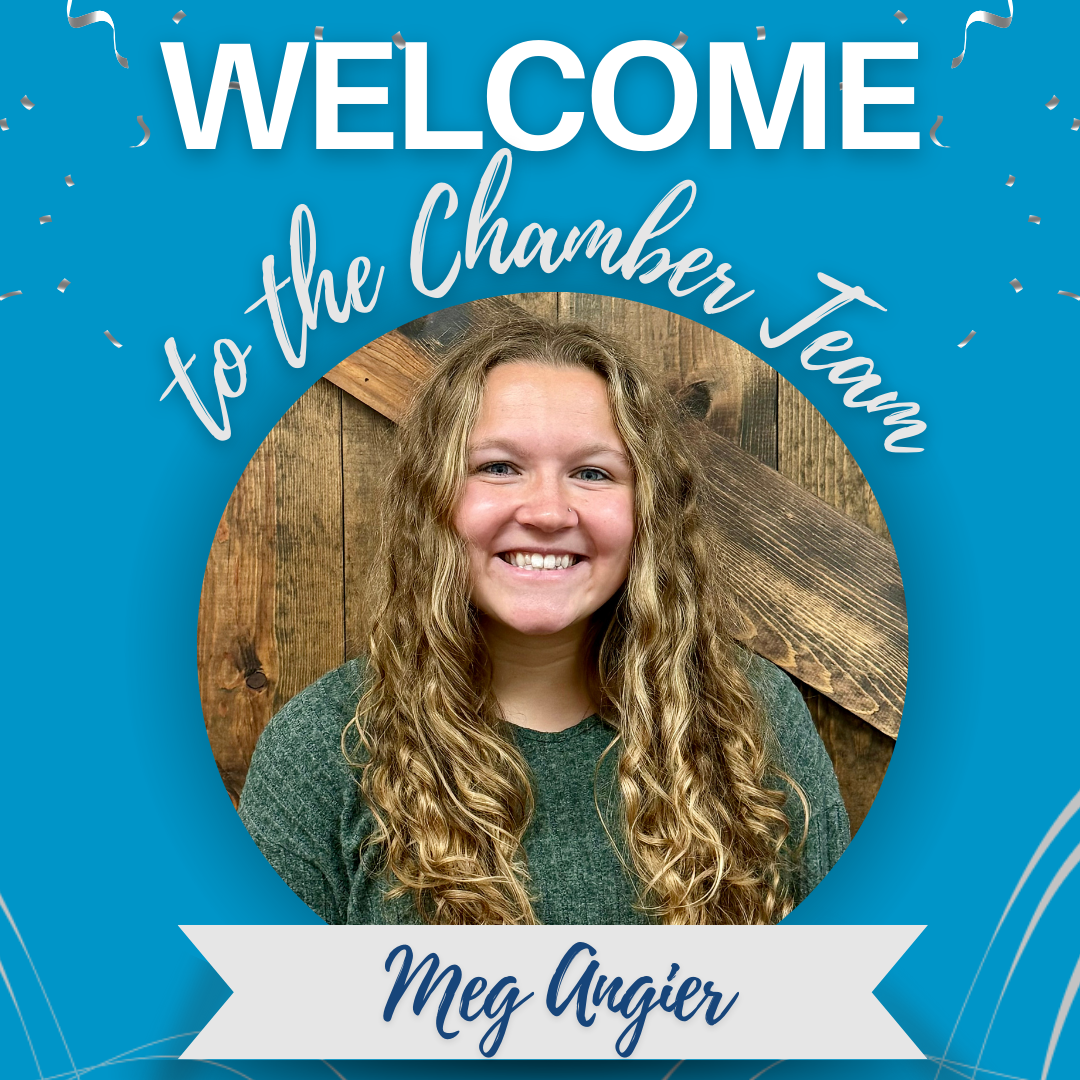
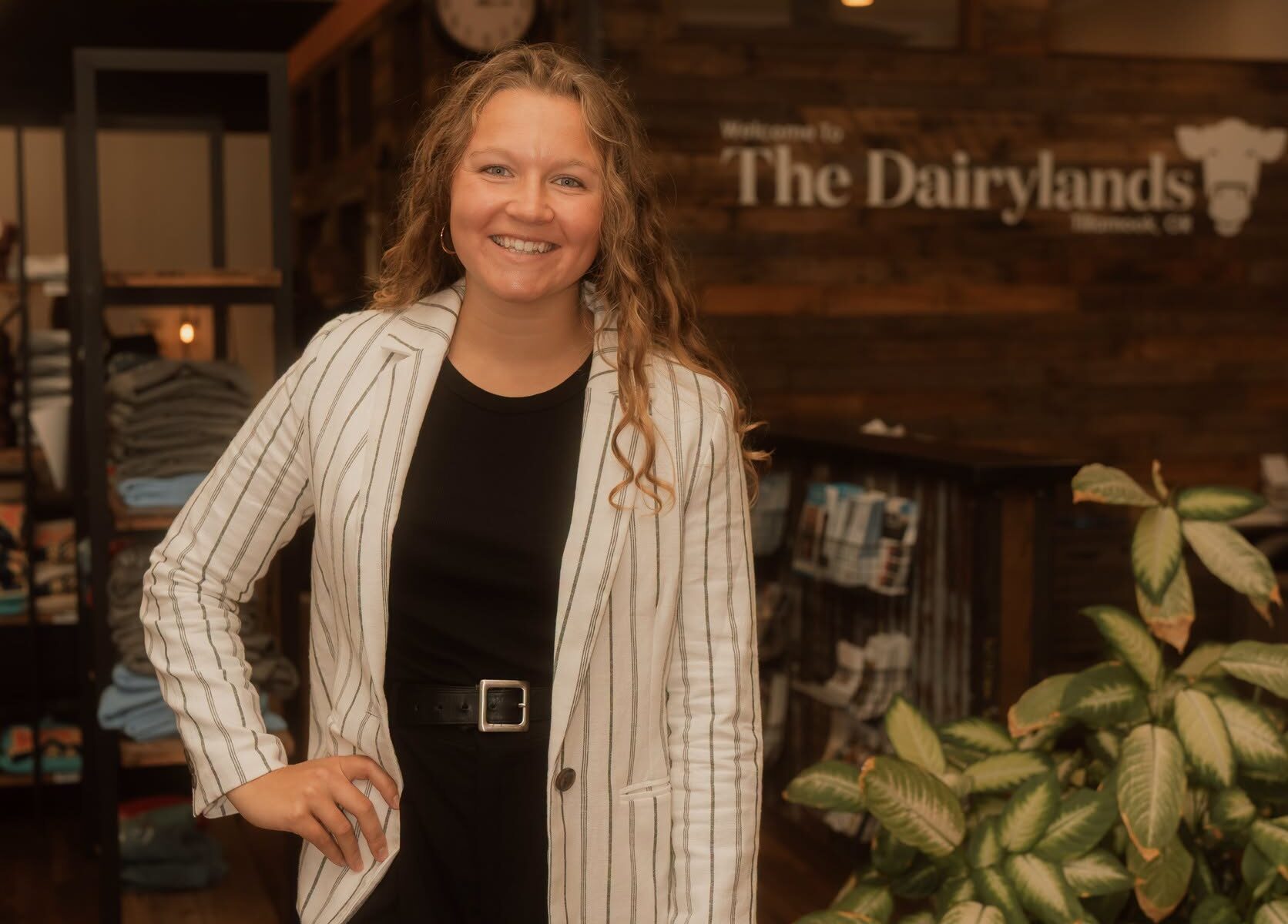
Written by Meg Angier, Membership and Community Partnerships Manager
A few weeks ago, I had the opportunity to attend the Oregon State Chamber of Commerce Conference in Salem, Oregon. This was my second year attending, and I enjoyed reconnecting with Chamber executives and professionals from across the state. With more than 40 Oregon cities represented, the conference provided an incredible opportunity to learn about the different challenges communities face, exchange ideas, and gain new perspectives on the work we do here in Tillamook. It was equally rewarding to share some of the programs and events our Chamber has developed to support our local businesses and community.
One thing that stood out to me was the variety of resources available to Chambers across the state. While some operate with just one employee, the Tillamook Chamber is fortunate to have a team of three full-time and four part-time employees. This capacity allows us to offer a wide range of programs, events, and resources, but none of it would be possible without the continued support of our members and community partners throughout Tillamook County. It’s something I don’t take for granted, and it reminded me just how fortunate I am to live and work in this community.
One of my biggest takeaways came from a panel discussion featuring representatives from the Beaverton, Medford, and Astoria Chambers of Commerce. When asked about the meaning of advocacy, each Chamber shared a perspective that really resonated with me. We often associate advocacy with politics or government decisions, but the panel offered a broader perspective: sometimes advocacy is simply showing up, listening, asking questions, and taking the time to better understand the issues affecting our communities.
This was a meaningful reminder of the work our Chamber does every day. We are constantly involved in conversations throughout Tillamook County that center around supporting small businesses and strengthening our local economy. While many important decisions happen at the government level, advocacy also takes place through the relationships we build, the resources we provide, and the conversations we participate in. Sometimes, making a difference starts with being present, staying informed, and helping connect the right people and resources.
Another important reminder from the conference was that while every community is unique, we are all working toward a common goal: creating thriving local economies, building meaningful relationships, and finding new ways to support our businesses. I especially enjoyed hearing how other Chambers are adapting their programs and events to meet the evolving needs and interests of their communities.